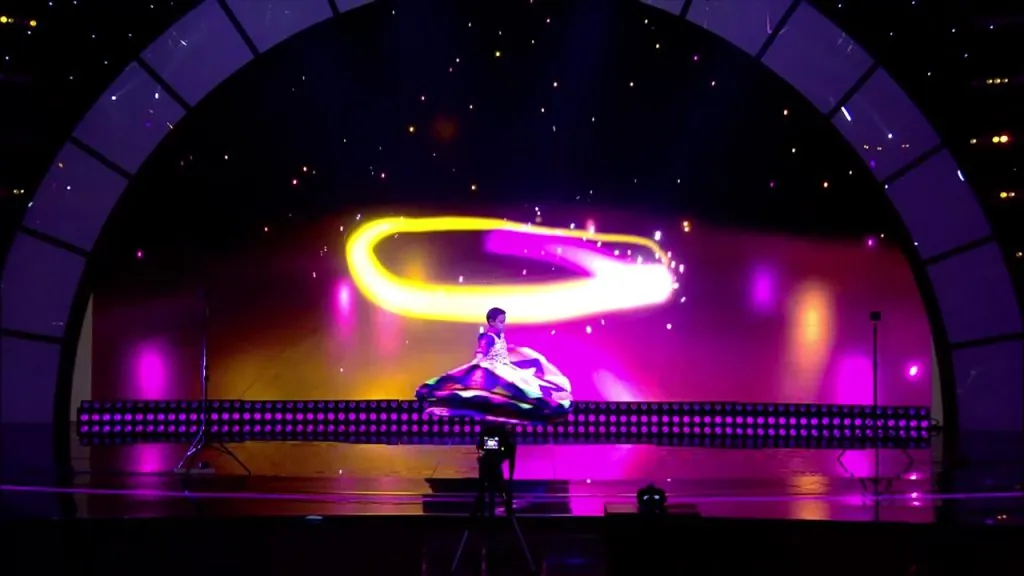
We design digital installations that invite people to explore, play and interact, combining visual content with touchscreens, games and motion tracking.
Content and interfaces that respond to visitors’ choices or actions.
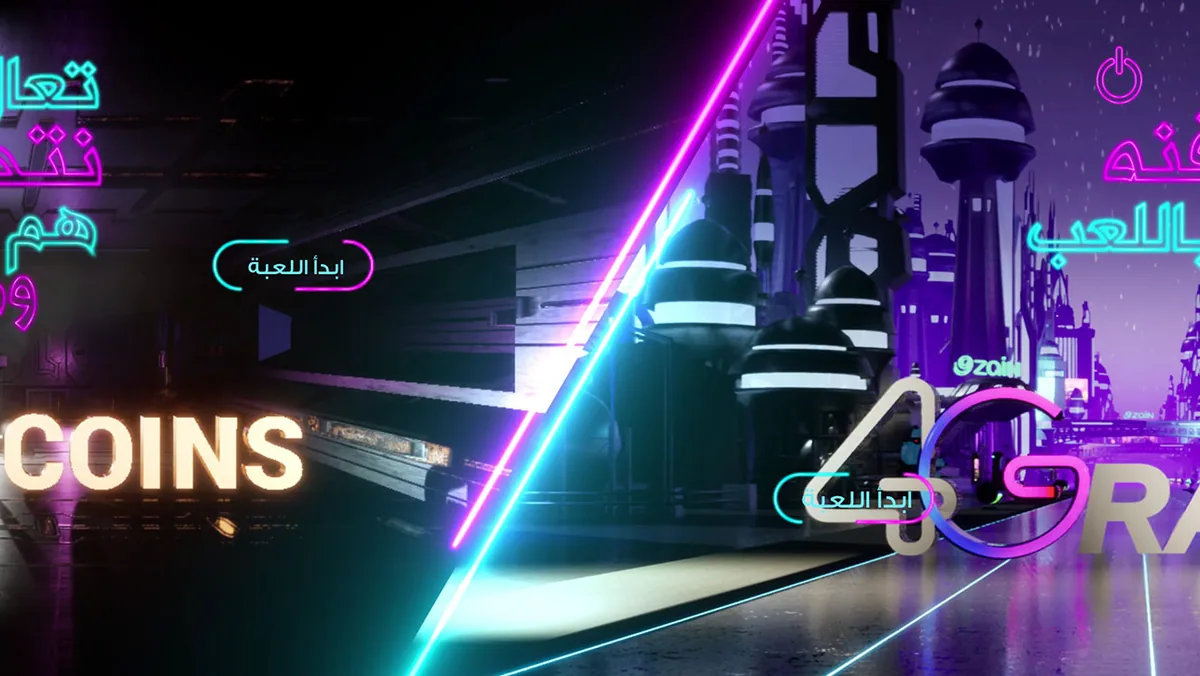
Gamified experiences
Playful interactions that help audiences explore a subject or story.
Real-time performances
Visuals connected to performers’ movements through motion tracking.
Exhibition and holographic content
Visual sequences for exhibition displays and holographic installations.
Built around the interaction
What should visitors discover, trigger or influence? We shape the content and interaction around your audience, exhibition space and technical setup, whether people are exploring a heritage model, using a touchscreen or taking part in a live performance.
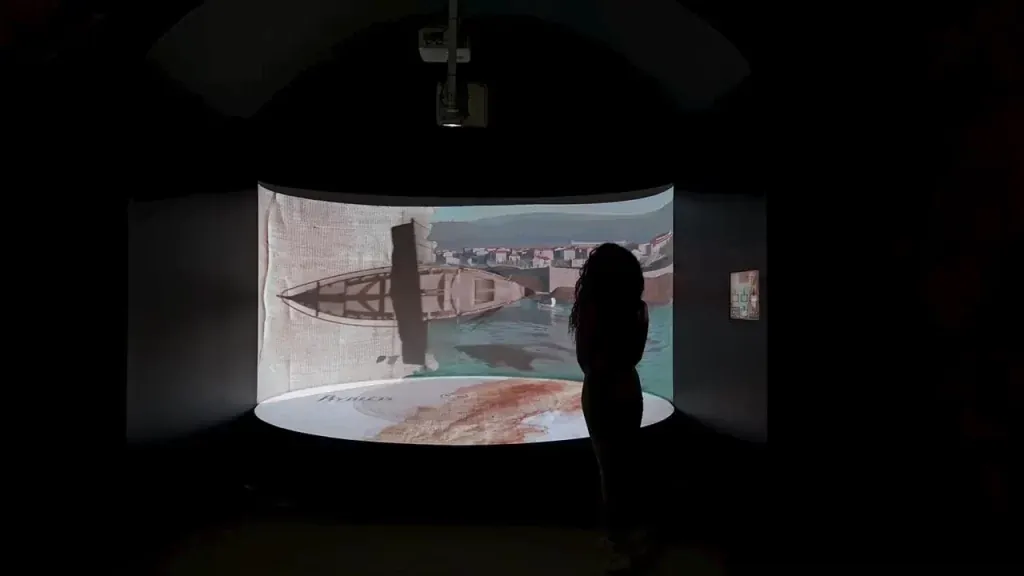
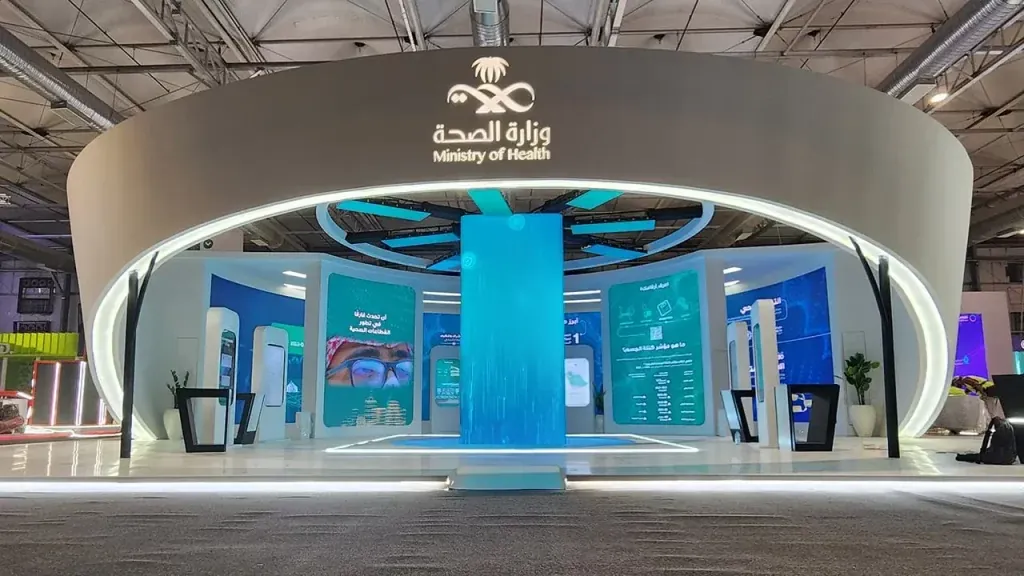
Our selected work illustrates different scopes: animated content for the Saudi Ministry of Health booth, an interactive heritage experience in Byblos, and motion-driven stage visuals for MBC. Each project combines the creative and technical elements needed for that specific interaction.
What can visitors do in an interactive installation?
They can make choices on a touchscreen, explore a game or influence visuals through movement. The Byblos Archeo Game and MBC projects illustrate different forms of participation.
Can an installation use AI-generated visuals?
Yes. AI can form part of an installation when visitor input is used to create or transform imagery. Our AI-Driven Content service includes GENER8 experiences based on photographs and drawings.
How does an interactive installation differ from projection mapping?
An interactive installation responds to a visitor or performer: a touch, movement or choice changes what happens. Projection mapping aligns imagery with a surface and can play as a fixed sequence. A project can combine both, as the Byblos Archeo Game combines a touchscreen with projection on a model.
What should an installation brief include?
Describe the audience, venue, installation duration and what people should be able to do. Include the available displays or sensors and the expected number of participants at one time. Agree content, interaction design, equipment, testing and on-site responsibilities with the project team before production.