Originally published on 27 August 2019. Updated on 24 September 2026 with project examples and clearer distinctions between digital, interactive and immersive installations.
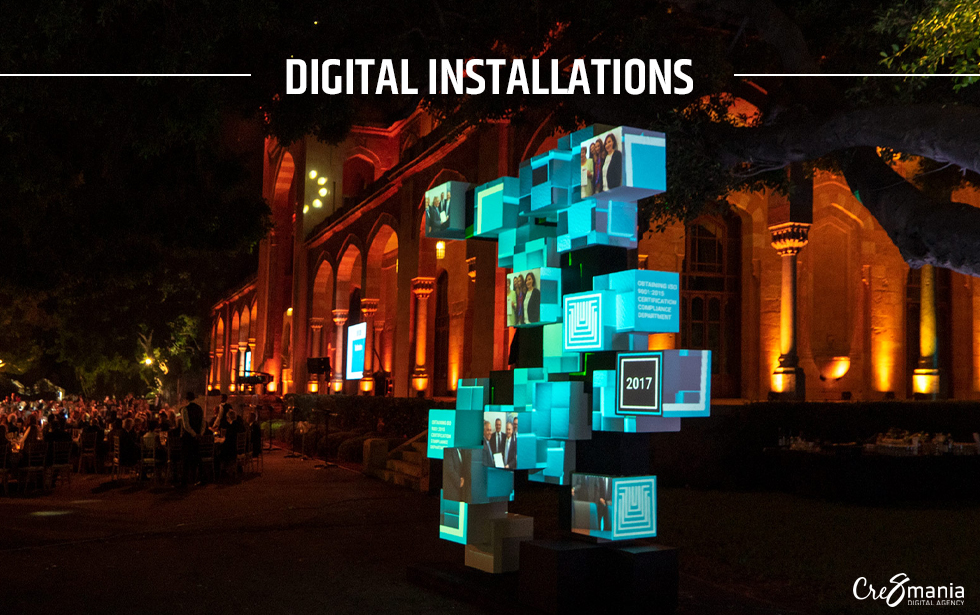
A digital installation brings digital content into a physical setting. Images, sound, software and displays become part of an experience shaped around a place and its audience. Some installations play a fixed sequence; others change when people touch, move or make a choice.
At Cre8mania, this territory includes cultural interpretation, exhibition content and audience participation. The useful starting point is the experience people should have, followed by the technology that can support it.
1. Digital, interactive and immersive describe different qualities
Digital installation describes the use of digital media or technology. A projected animation, an audiovisual environment or a touchscreen experience can fit this description.
Interactive installation describes participation: a visitor or performer influences what happens. The input might be a touchscreen selection or tracked movement, with a corresponding change in images or sound.
Immersive installation describes how the surrounding space engages the audience. It can combine several surfaces, imagery and sound. An immersive environment does not have to react to visitors, and a small interactive display does not have to surround them.
These qualities can overlap. They help define a brief more precisely than choosing a technology first.
2. A digital art installation is one part of a wider field
Installation art treats the work and its setting as a spatial experience. Art UK’s introduction to installation art provides broader artistic context. Digital art installations use digital media as part of that artistic practice.
Not every digital installation is an artwork. A heritage interpretation tool, exhibition interface or branded experience may use similar media while serving a different purpose. Describing that purpose helps visitors understand what they are encountering and helps a project team choose an appropriate approach.
3. Participation can make information explorable
Cre8mania’s iHeritage Byblos Archeo Game illustrates how content and interaction can work together. Created in 2023 for iHeritage / CCIA-BML in Lebanon, the installation combines dual projection on a model with a touchscreen menu. Visitors choose among three historical periods to explore the evolution of Byblos.
The project brought together concept development, virtual heritage reconstruction, 3D animation and interaction. Cre8mania collaborated with historians and archaeologists from Lebanon’s Directorate General of Antiquities; the reconstruction used Unreal Engine and Blender, accompanied by an audio guide.
The interaction has a clear role: it gives visitors a way to select the history they want to explore. The project demonstrates a delivered experience; it does not establish a measured learning or attendance increase.
4. The strongest brief starts with people and place
Before selecting screens, projection or sensors, describe the audience and the intended experience. What should a person notice, understand, choose or create? Will they participate alone or with others? How will the experience begin, respond and return to its starting state?
Then define the venue, available space, lighting and sound conditions, installation duration and the responsibilities of the creative and technical teams. Content, interaction, equipment, testing and ongoing operation should be considered together. These questions also help distinguish a temporary event from a permanent exhibit.
Where projection mapping and AI fit
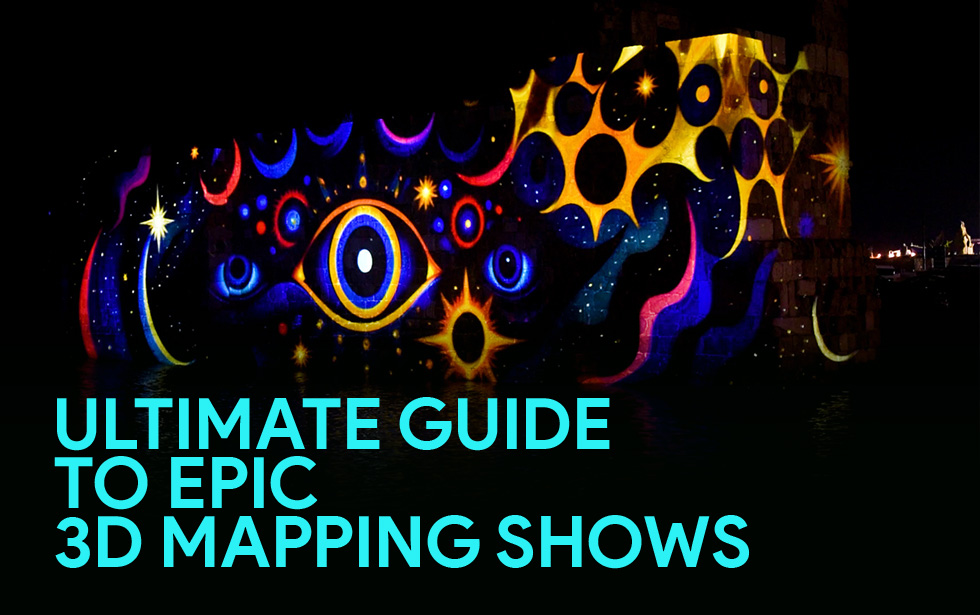
Projection mapping adapts imagery to the geometry of a building or object. It can be part of a digital installation, as the Byblos model demonstrates, but it does not automatically make an experience interactive.
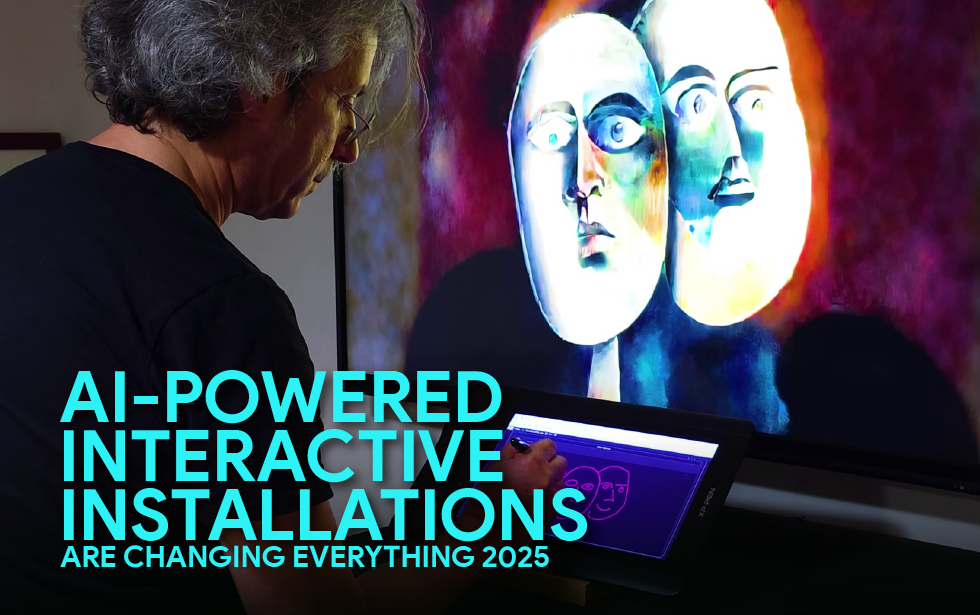
AI is also optional. A touchscreen or motion-responsive experience can work without generative AI. Where visitor input is used to create or transform imagery, our guide to AI-powered interactive installations explores a more specific set of planning questions and GENER8 examples.
For real project references and production scope, explore Cre8mania’s digital and interactive installation design or share your installation brief.