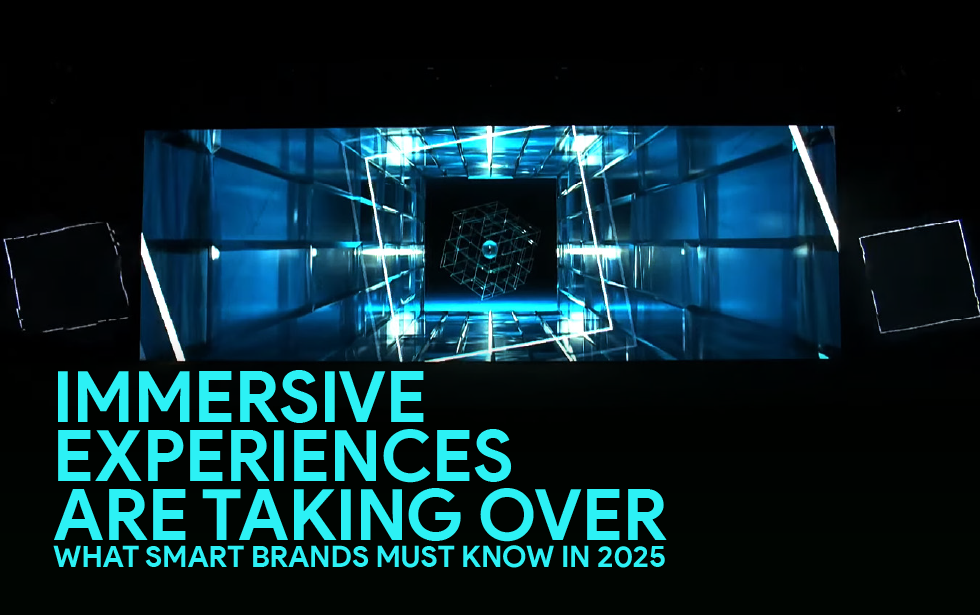
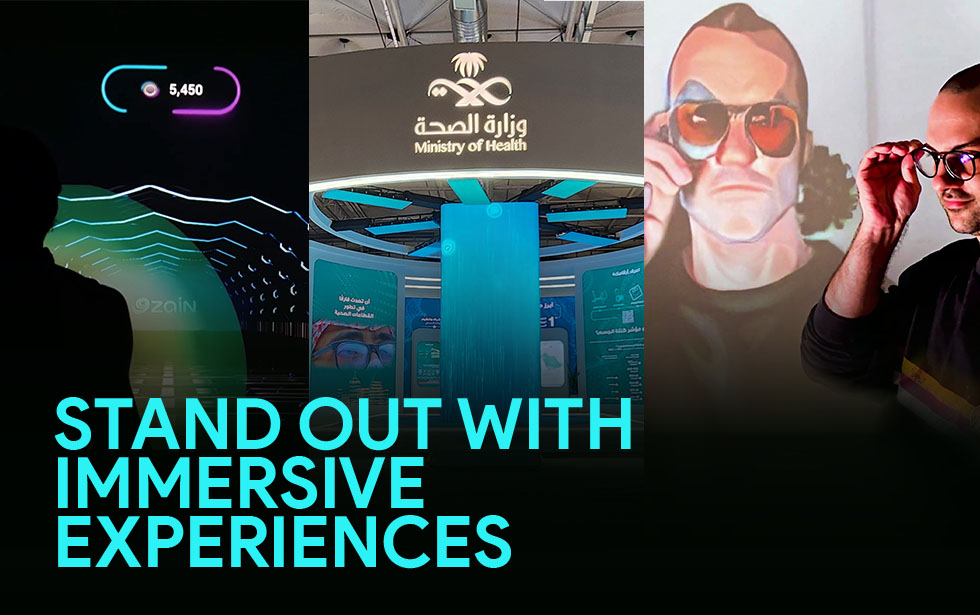
What separates a forgettable event from one people film on their phones? Immersive experience design. Not bigger screens or better production budgets. The strategic decision to make the story something an audience lives inside, rather than sits through.
That was the brief the Abdulla Al Ghurair Hub for Digital Teaching and Learning brought to Cre8mania for their TransformED Summit 2025. And it became one of the most complete immersive experience design projects we have delivered to date.
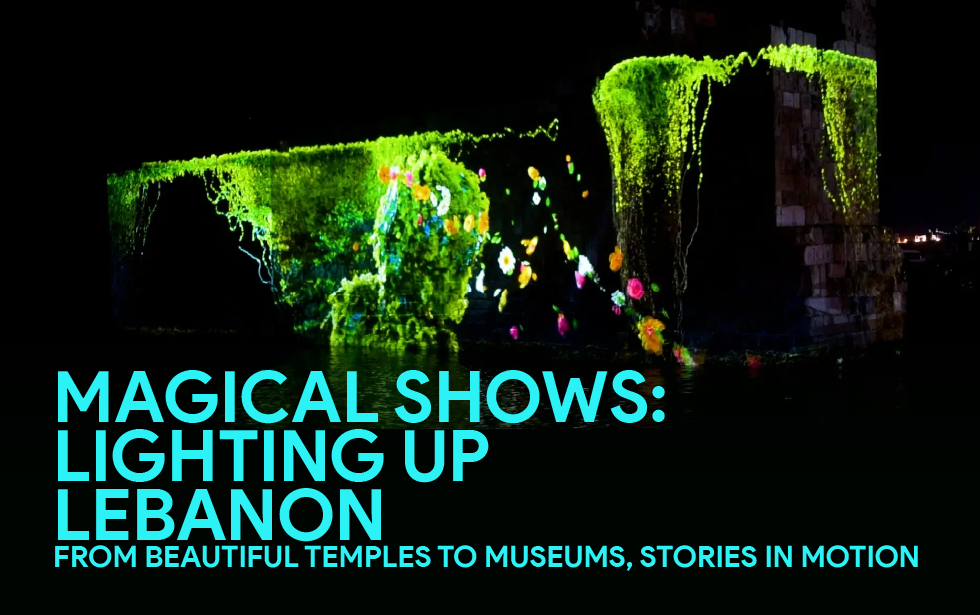
We’ve spent years lighting up Lebanon. From museums and temples to ports and stages, we’ve been trusted to bring cultural spaces to life with light, motion, and meaning.
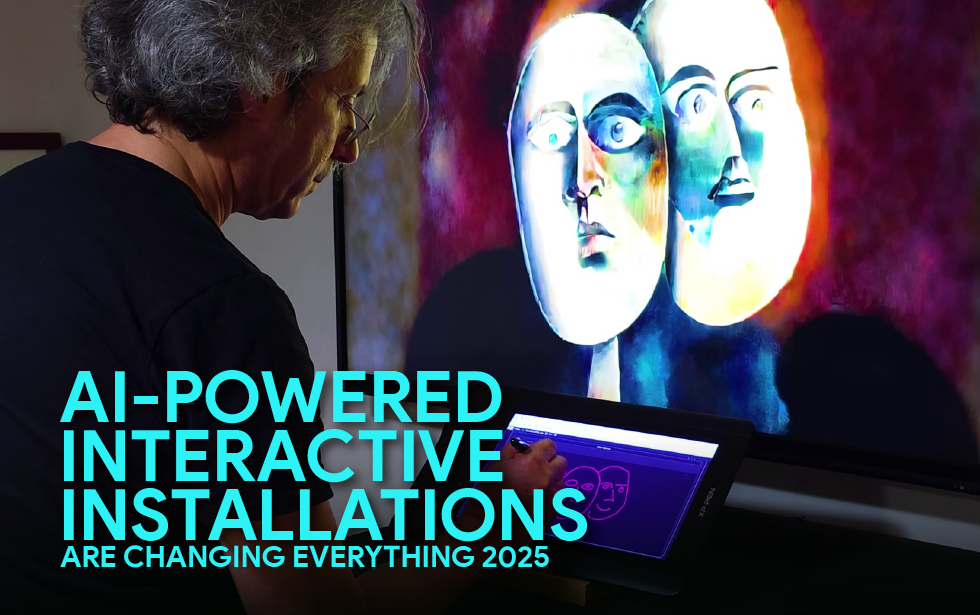
What if an installation didn’t just light up when you entered… what if it knew you were there? In 2025, audiences are no longer impressed by big screens or pretty loops. They want to be seen, sensed, and responded to.
In today’s overstimulated world, consumers don’t just want to see; they want to feel, interact, and belong. As attention spans shrink and traditional advertisements blur into background noise, immersive experiences are rising above the clutter.
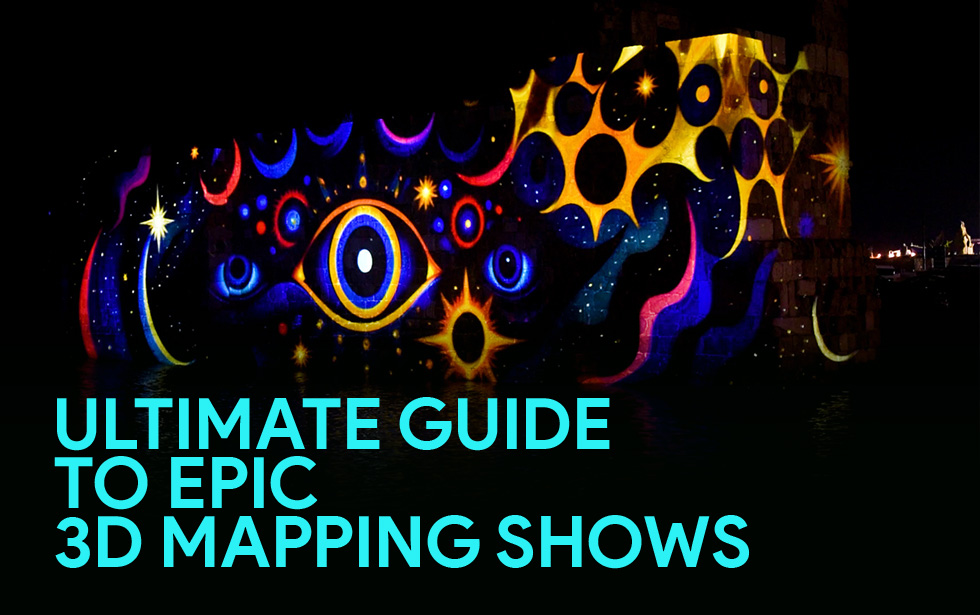
3D projection mapping fuses art and technology to bring static surfaces to life. From architectural façades to indoor installations, projection mapping has emerged as a powerful tool for artists and brands to redefine spatial experiences and engage viewers in new ways.
In today’s fast-evolving marketing and creative landscape, brands are continually seeking new and innovative ways to connect with their customers. Technology and art stand as a driving force behind these efforts, enabling brands to craft immersive experiences that leave a lasting impact. We explore below 4 innovative strategies with real examples for each one that let companies transform the way they engage with their audience.
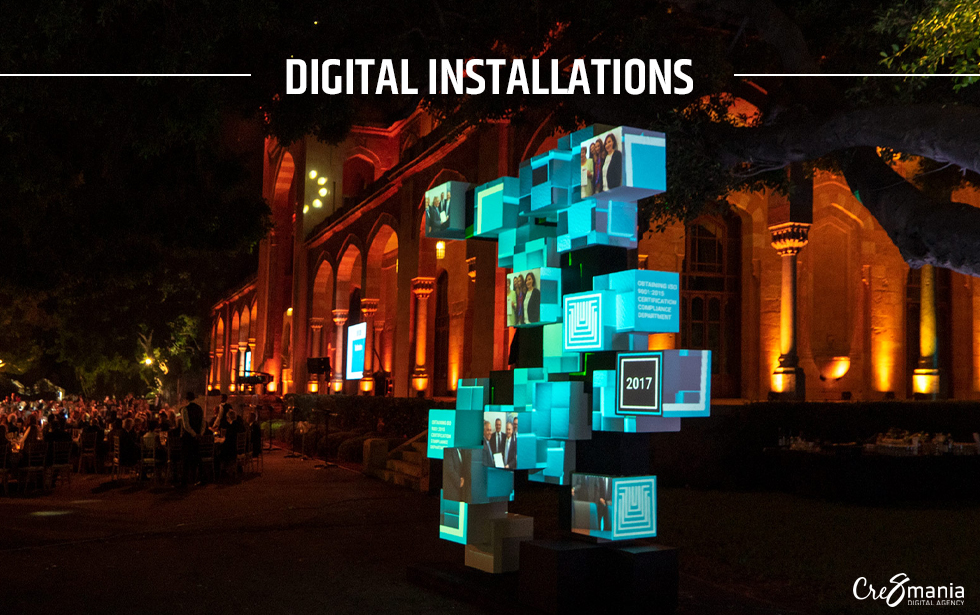
In this dominant digital age, we are constantly challenged to exploit new digital ideas and mediums that best represent all parties involved: from creative digital marketers, to avant-gardist clients and corporations; everyone wants to play a distinguished role in the digital spectrum. Hence the emergence of DIGITAL INSTALLATIONS that have stood out as being increasingly coveted in today’s communication strategies and brandings.
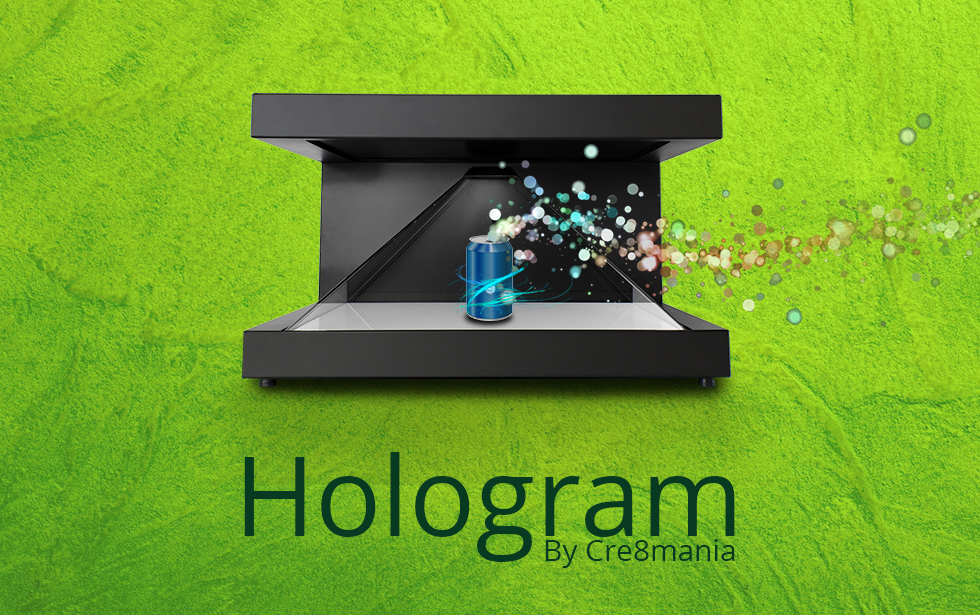
The pyramid hologram is the evolved product of an old technique called “Pepper’s Ghost”. Although “Pepper’s Ghost” is not a hologram itself, the hologram herein reflects an image to create the illusion of a floating 3D object in space.
Setting this unit requires a specific software for the animation creation and a projection system that would allow the reflection of the three dimensional visuals inside the prism of glass.
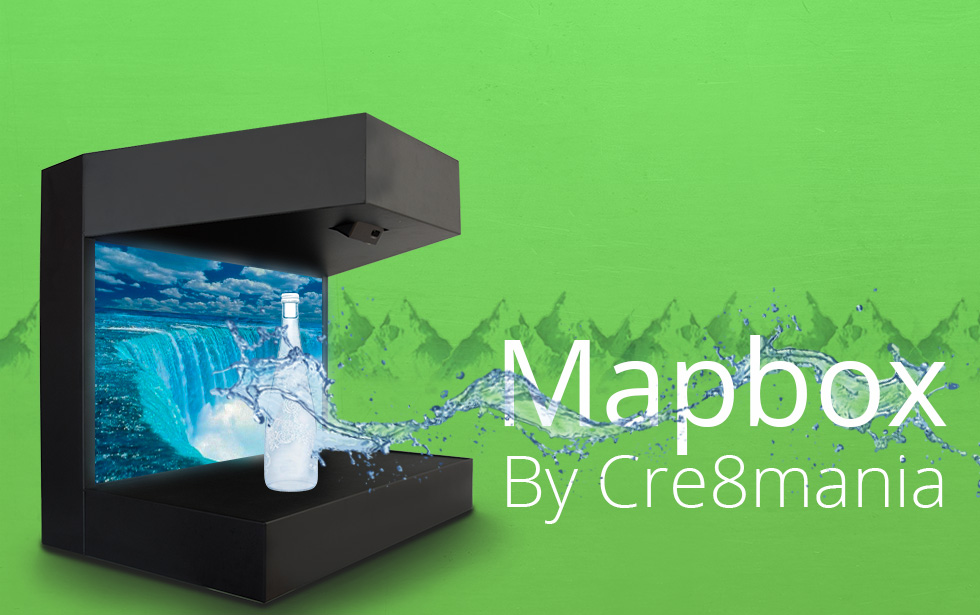
3D Mapping is based on a projection method that uses objects as a surface instead of screens. When an animation is projected on this object, it turns it into a 3D model creating an interactive display.
The objects used as a surface can range from buildings, theater stages going to small random objects. With the use of a specified software, the object is reproduced spatially in the same environment of the real projection. Then, with the use of a projector, the animation created will be projected on the real object fitting its surface. Normally, the projection is backed up with audio sounds or music.
Cre8mania is a creative studio innovating the interactive space since 2001. Our mesmerizing creations are the result of a perfect blend between art and technology.
Our bold team turns your ideas into daring immersive experiences to drive emotionally charged impact.
Led by passion and expertise, we engage with the human of today and shape the world of tomorrow.